Book an appointment with Physio Garth Van Der Merwe to revolutionise your recovery with DolorClast Shockwave
Shockwave therapy delivers non-invasive therapy using high-energy acoustic waves to treat conditions like plantar fasciitis, Achilles tendinopathy, and other chronic soft-tissue injuries. It stimulates healing by improving blood flow, reducing pain, and promoting tissue regeneration. Most treatments require 3–5 sessions, and side effects are minimal. This therapy is an effective option for patients who haven’t responded to rest or standard physiotherapy.
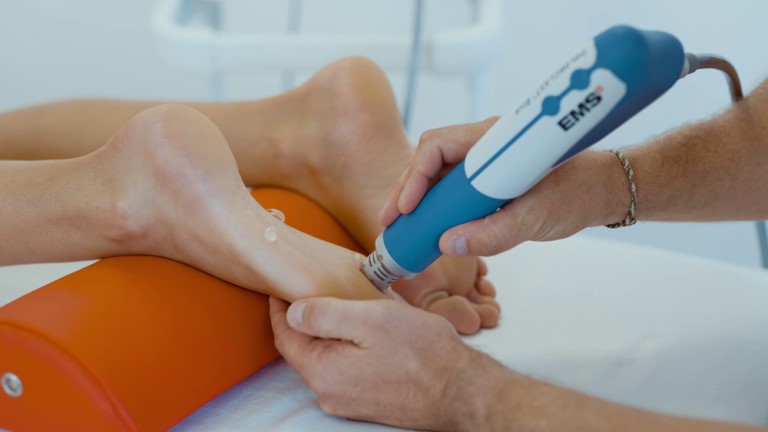
Not all shockwave machines are the same, and it is essential that your treatment is delivered in line with international best practice. At Institute of Sport Physiotherapy Grafton, we use Swiss DolorClast® shockwave devices, which are backed by robust clinical research for their safety and effectiveness.
Shockwave therapy is dose dependent, meaning the quality of your results relies on how precisely energy can be delivered. Many devices and handpieces cannot maintain consistent energy at higher frequencies, which can reduce the effectiveness of treatment.
The Swiss DolorClast® systems used in our clinic provide superior, reliable energy output at higher frequency settings compared with many other devices used in New Zealand, ensuring you receive the most effective shockwave therapy we can offer.
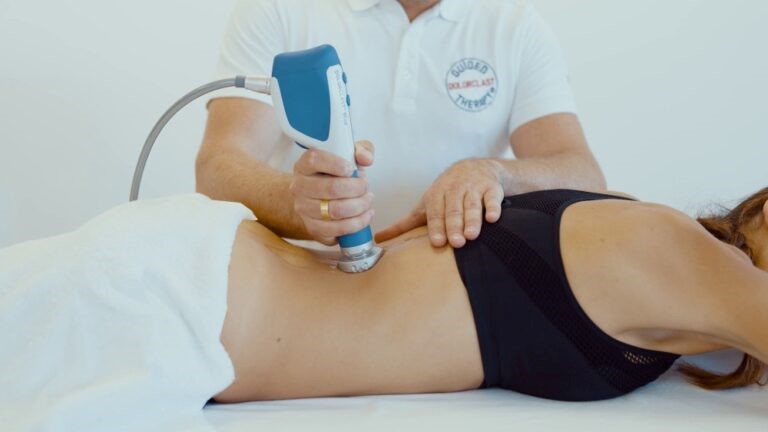
The device generates radial and focused shock waves that pass through the skin into the underlying tissues. Compressed air in the handpiece drives a small projectile, creating shock waves that stimulate cellular activity, improve blood flow, and promote tissue regeneration.
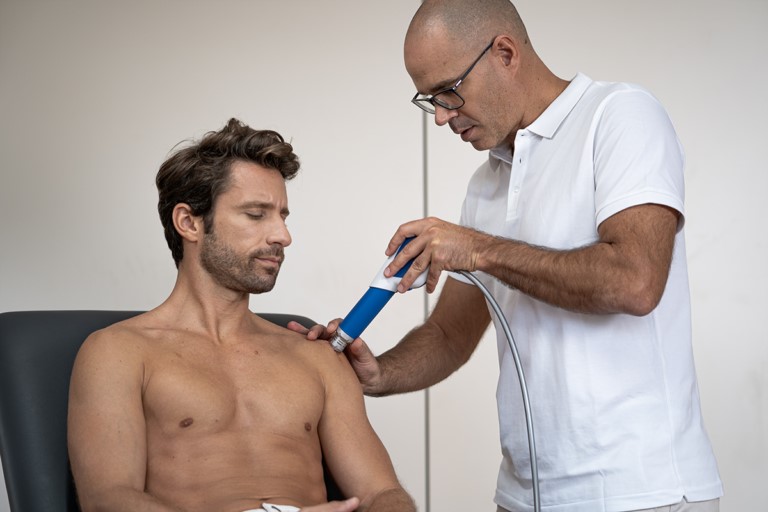
This process encourages the body’s natural healing response and can help restart recovery in areas that have become slow to respond to loading or rehabilitation alone.
This therapy is commonly used for:
Shockwave is most effective when combined with appropriate loading, strength, and movement-based rehab, rather than used as a standalone treatment.
Studies, including large randomized trials, show higher success rates and significant pain reduction for conditions such as chronic plantar fasciitis. Systematic reviews support its effectiveness and safety when appropriate treatment protocols are followed.
Some post-treatment soreness is normal and usually settles within 24–48 hours.
Shockwave therapy is considered safe when applied appropriately. It may not be suitable in certain situations, including:
Your physiotherapist will screen for contraindications before commencing treatment.
At Institute of Sport Physiotherapy Grafton, shockwave therapy is not offered in isolation. It is integrated into a comprehensive rehabilitation plan, alongside:
Our focus is not just pain relief, but long-term recovery and return to performance.
| Private | |
|---|---|
| Single site | $130.00 |
| Multi site | $200.00 |
If you’re dealing with a persistent tendon or soft-tissue injury and would like to know whether shockwave therapy is suitable for you, Book an appointment with Physio Garth Van Der Merwe to revolutionise your recovery with DolorClast® Shockwave.